
After years of silence, broken links, half-remembered press passes, dead CMS logins and probably a few forgotten Facebook passwords, The Fight Nation is stirring again.
Not roaring back. Not announcing a relaunch. Not pretending we have a media team camped outside the fighter hotel in Cotai.
Just rising, briefly, from the ashes to say one thing: The UFC is back in Macau. And Asia MMA still matters.
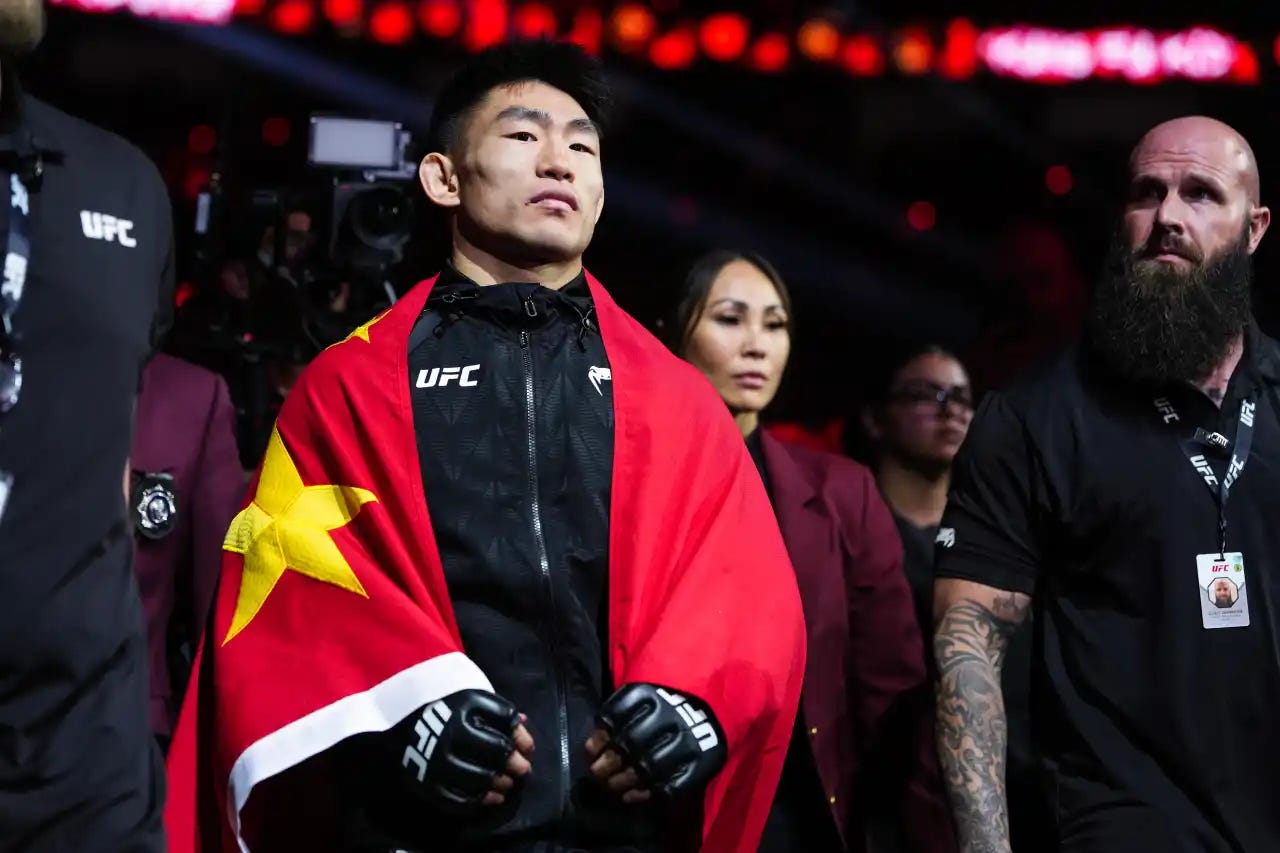
This weekend, the Octagon returns to Galaxy Arena for UFC Macau, headlined by a bantamweight clash between China’s Song Yadong and former UFC flyweight champion Deiveson Figueiredo. It is a sharp little main event, and the kind of fight that reminds you why Macau once felt like one of the more intriguing outposts in the UFC’s global expansion story.
For old-school Asian MMA watchers, Macau carries a bit of history. It was never just another stop on the calendar. It sat somewhere between spectacle, casino-world excess and genuine regional opportunity. Before UFC China was fully mature, before Road to UFC became a clearer talent pathway, before ONE Championship dominated the Asia conversation, Macau felt like a testing ground for what this part of the world could become.
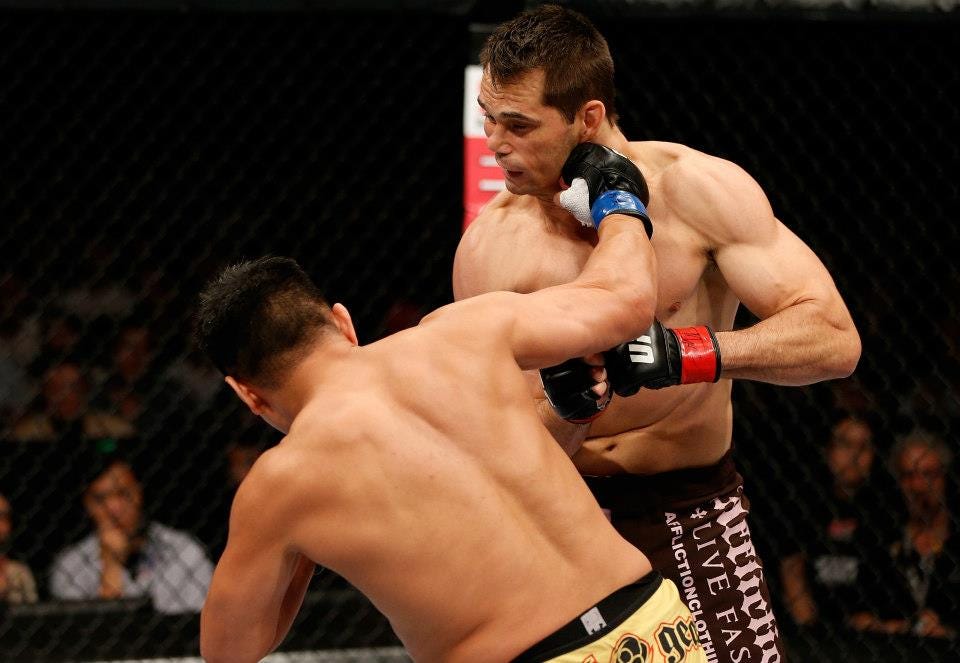
And now, the UFC is back.
The main event has a neat bit of tension. Song Yadong is still one of China’s most important UFC names: fast, technical, dangerous and young enough to remain a real player in a volatile bantamweight division. Figueiredo, meanwhile, is fighting with the urgency of a former champion who knows the window is no longer wide open. He is still dangerous, still awkward, still capable of making a mess of a clean narrative.
That is a proper fight.
But the bigger story is the card around it. Zhang Mingyang gets Alonzo Menifield in a light heavyweight scrap that feels unlikely to go quietly. Sergei Pavlovich faces Tallison Teixeira in a heavyweight fight built for sudden violence. Kai Asakura is back in Asia-Pacific orbit against Cameron Smotherman, and there is enough regional flavour across the event to make this feel like more than just a UFC Fight Night dropped into a casino venue.
And then there is Loma Lookboonmee.

For TFN, this one lands a little differently. Before she became Thailand’s first UFC fighter, before the polished UFC graphics and broadcast packages, Loma was slugging it out in the badlands of Bangkok with Full Metal Dojo. TFN was there early, interviewing her before the UFC call came, when Asian MMA still felt held together by Muay Thai gyms, regional shows, Facebook streams, expat chaos and blind belief.
Lookboonmee enters UFC Macau with a 10-4 record and a 7-3 run inside the UFC since joining the promotion in 2019. She recently put together an impressive four-fight winning streak, with key victories over Denise Gomes and Bruna Brasil, before dropping her most recent bout. Now she gets Jaqueline Amorim in a proper striker-versus-grappler test, and a chance to steady the ship quickly on Asian soil.
At 5-foot-1 with a 61.5-inch reach, Loma has never looked like the obvious prototype for UFC success. But that was always the point. Her game was built in the clinch, sharpened in Thai stadiums and hardened through the rough edges of the regional scene. She is not just on this card. In a small but meaningful way, she carries the memory of the scene that helped build it.
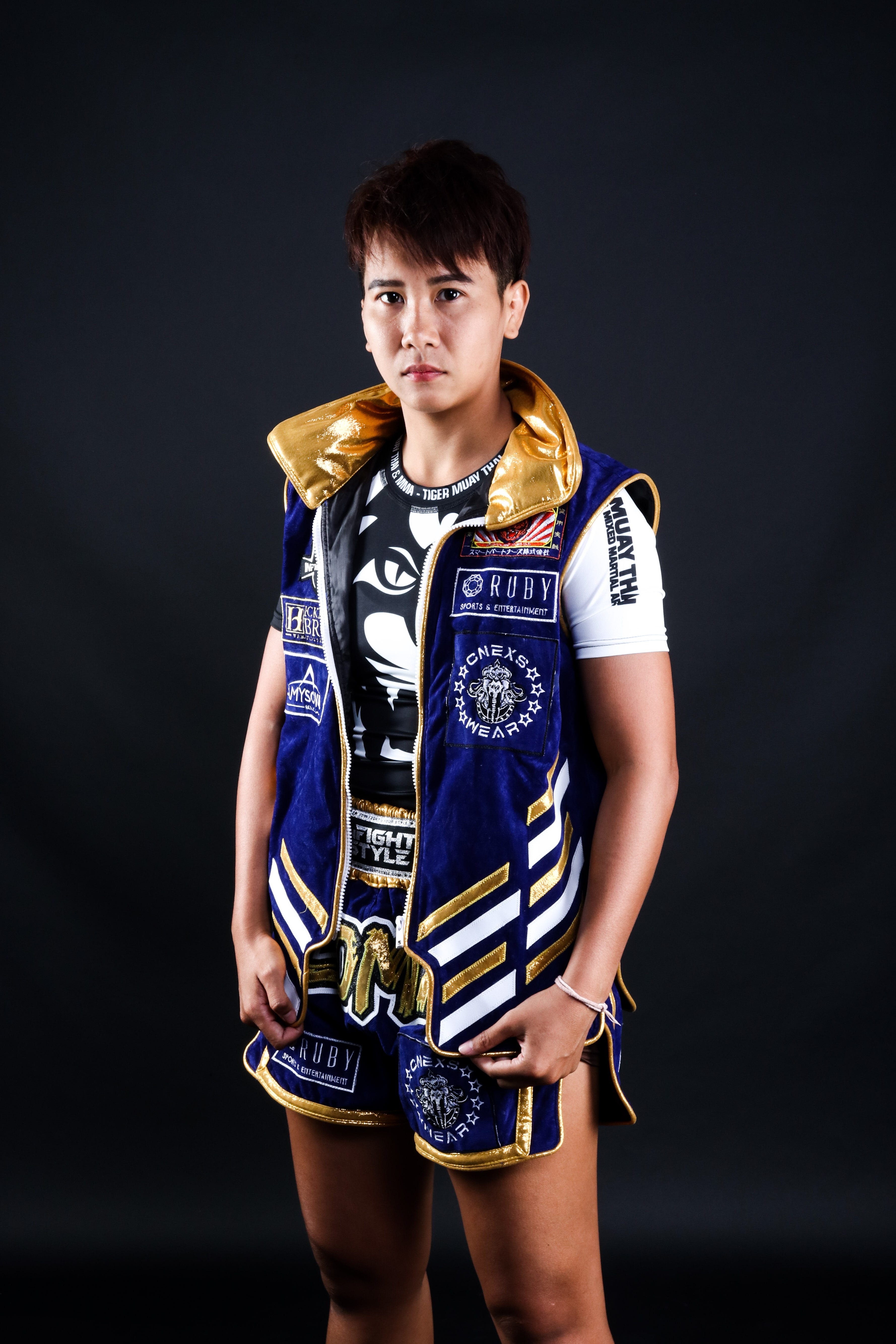
For anyone who followed Asian MMA before it had pathways, rankings and UFC development shows, Loma’s presence in Macau is a reminder that the region’s best stories rarely start under bright lights.
Sometimes they start in Bangkok warehouses, half-lit rings and fight nights that felt like they might collapse at any moment.
It also lands alongside the return of Road to UFC, the tournament pathway that has become one of the UFC’s more meaningful commitments to Asia Pacific talent. That matters. The region has never lacked fighters, gyms, fans or storylines. What it has often lacked is consistent global visibility.
That was always part of The Fight Nation’s reason for existing.
Back in the day, TFN covered Asian MMA because the scene deserved more than imported headlines and lazy fly-in coverage. It deserved proper attention. The gyms in Hong Kong, Macau, Manila, Bangkok, Singapore, Seoul, Jakarta, Kuala Lumpur and Tokyo all had their own ecosystems, rivalries and characters. Some fighters made it. Plenty didn’t. But the scene was alive, messy and worth documenting.
So here we are again, if only for a weekend.
Older. Slower. Probably worse at staying up for prelims.
But still watching.
UFC Macau may not signal some grand rebirth of Asian MMA. The sport has changed too much for easy nostalgia. The UFC is a different machine. ONE is a different machine. The media world is barely recognisable. Half the old fight blogs are gone, and the other half are probably podcasts now.
But there is still something satisfying about seeing Macau back on the fight map.
So consider this a small TFN pulse check.
The lights are back on. The gloves are on. Asia is on the card.
And somewhere in the ashes, The Fight Nation just opened one eye.